
The Nature of Casino Odds
Understanding the odds at a casino is essential for any player who wishes to navigate the gaming landscape effectively. Each game is designed with a specific house edge, which represents the advantage that the casino holds over the players. For instance, in slot games, the return-to-player (RTP) percentage typically ranges from 85% to 95%, indicating that the casino retains a certain percentage of all wagers over time. This means that while players might experience occasional big wins, the long-term expectation is that the house will ultimately profit from the games. Those interested in exploring options like casino neosurf should recognize this inherent bias in favor of the casino is crucial for setting realistic expectations when engaging in gambling activities.
Different games present varying odds, and understanding these nuances can be a player’s best asset. For example, blackjack is known for having one of the lowest house edges, especially when players use optimal strategies such as basic strategy. This strategic approach involves making mathematically sound decisions about hitting, standing, doubling down, or splitting. Yet, despite this advantage, it is vital to keep in mind that no strategy can eliminate the randomness and luck that are integral to these games. Therefore, understanding the odds allows players to make more informed choices, even if it doesn’t guarantee victory.
Additionally, the odds can be affected by external factors, such as the specific rules of the game or the variations offered by different casinos. For instance, certain casinos may provide games with better payout structures, which can change a player’s overall odds. Variations in the number of decks used in blackjack, or the specific payout ratios in video poker, can significantly influence gameplay and strategy. Consequently, being knowledgeable about these details can empower players to make better decisions that can enhance their gaming experience, but it is essential to remember that the odds are always ultimately in favor of the house.
Strategies to Improve Your Chances
While the odds may favor the house, players can still adopt strategies to enhance their chances of winning. One effective method is to practice diligent bankroll management. This involves setting a budget for gaming activities and sticking to it rigorously. By tracking wins and losses, players can ensure they do not exceed their limits, thus allowing for a more sustainable gambling experience. Staying disciplined helps players avoid the emotional rollercoaster that can come with gambling, as they can make more rational decisions when they have a clear financial plan in place.
Choosing games with favorable odds is another strategy that players can employ to improve their chances. Games like blackjack and poker offer opportunities for players to leverage skill and strategy, whereas games like slots are purely luck-based. For example, in poker, understanding the dynamics of pot odds and player psychology can lead to better decision-making, giving an edge over opponents who may not be as informed. Meanwhile, in blackjack, employing strategies like card counting—though challenging—can further minimize the house edge and enhance the potential for winning.
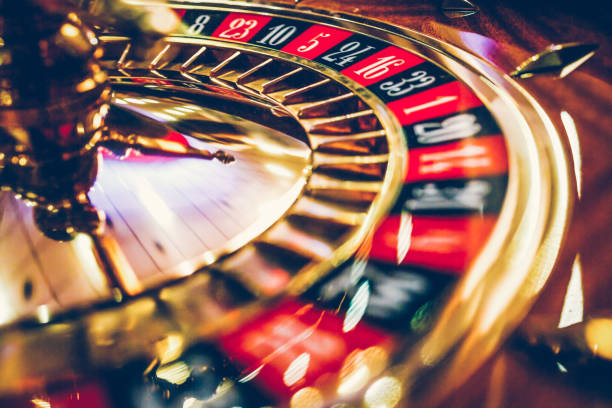
Maximizing the use of bonuses and promotions is also a strategy that can give players additional leverage. Many casinos offer enticing welcome bonuses, loyalty programs, and free spins, which can significantly increase a player’s bankroll without additional financial risk. By strategically utilizing these offers, players can extend their playtime and create more opportunities to win. However, it’s crucial to read the terms and conditions associated with these promotions, as they often come with wagering requirements that need to be met before cashing out any winnings.
The Psychological Aspect of Gambling
The psychological factors involved in gambling can have a profound effect on a player’s behavior and decision-making processes. The excitement and adrenaline of winning can sometimes lead to impulsive betting, where players deviate from their established strategies. This behavior, known as “loss chasing,” can occur when players continue to gamble in an attempt to recover losses, often leading to more significant financial setbacks. Understanding these psychological triggers is vital for maintaining control over one’s gambling habits and ensuring a more enjoyable experience.
Cognitive biases also play a crucial role in how individuals perceive their chances of winning. The gambler’s fallacy, for instance, is a common misconception where players believe that past outcomes affect future results. A player who has experienced a series of losses might think they are “due” for a win, prompting them to increase their bets recklessly. Being aware of these cognitive biases can help players make more rational decisions and resist the urge to rely on flawed reasoning when placing bets.
Furthermore, the social environment surrounding gambling can influence behavior, particularly in a lively casino setting. The presence of other players and the excitement of the crowd can create a heightened sense of urgency, sometimes leading to reckless decisions. Establishing a personal mindset focused on responsible gambling is essential for sustaining enjoyment while minimizing risks. By recognizing the emotional and social factors at play, players can better manage their gambling habits and maintain a healthy perspective throughout their gaming experiences.
The Role of Luck in Winning
Luck is an undeniable element in the world of gambling, playing a pivotal role in determining outcomes across various games. Many players attribute their successes to luck, recounting stories of hitting jackpots or winning significant sums in a short period. While luck undoubtedly contributes to short-term victories, it is essential to recognize its unpredictability. The thrill of chance is what draws many players to casinos, but it can also lead to frustration when the odds are not in their favor.
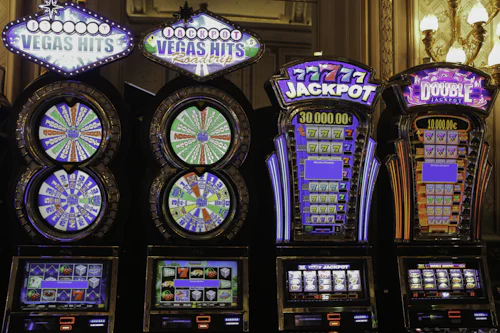
In games such as slots and roulette, where outcomes are entirely random, luck is the primary factor at play. A player may hit a massive win on a slot machine after just a few spins, but statistically, they will likely encounter losses over time. This understanding of randomness can help players manage their expectations and reduce the disappointment often associated with gambling losses. Accepting that luck is a significant component of the gaming experience can lead to a more balanced approach.
Ultimately, while luck can certainly result in winnings, players must couple their luck with a solid understanding of game mechanics and strategies. Identifying which games rely more on luck versus skill can guide players in making informed choices that align with their personal gambling style. Striking the right balance between skill, strategy, and luck is crucial for creating a fulfilling and enjoyable casino experience, ultimately shaping a player’s journey within the gaming world.
Final Thoughts on Casino Gambling
Participating in casino activities can be an entertaining hobby, especially when approached with the right mindset and knowledge. While it may be theoretically possible to beat the odds through strategic play and an understanding of game mechanics, the house edge is an ever-present factor. Therefore, having a foundational understanding of the odds is essential for anyone looking to make the most of their time and money in a casino. While skill and knowledge can certainly improve a player’s chances, they cannot guarantee success.
Moreover, maintaining a responsible approach to gambling is critical for ensuring long-term enjoyment. Players should always be aware of their limits and recognize when it’s time to take a break. Many casinos provide resources to promote responsible gambling, including self-exclusion options and support hotlines. Utilizing these resources can help prevent gambling from evolving into a problematic behavior, preserving the fun aspect of gaming for everyone involved.
In conclusion, while the prospect of beating the odds at a casino is enticing, it requires a combination of strategy, knowledge, psychological awareness, and, yes, a bit of luck. By engaging with gambling through this comprehensive lens, players can not only enhance their overall experience but also minimize potential losses along the way. As with any form of entertainment, the key lies in playing smart, staying informed, and most importantly, enjoying the journey.